Understanding Dementia Without Medical Words
You don't need medical jargon to understand dementia. This article explains what dementia actually is in plain language—how it affects memory and thinking, what stays the same, and why early stage means there's time. Your loved one is still here, and you don't need a medical degree to provide what matters most: presence, patience, and love.
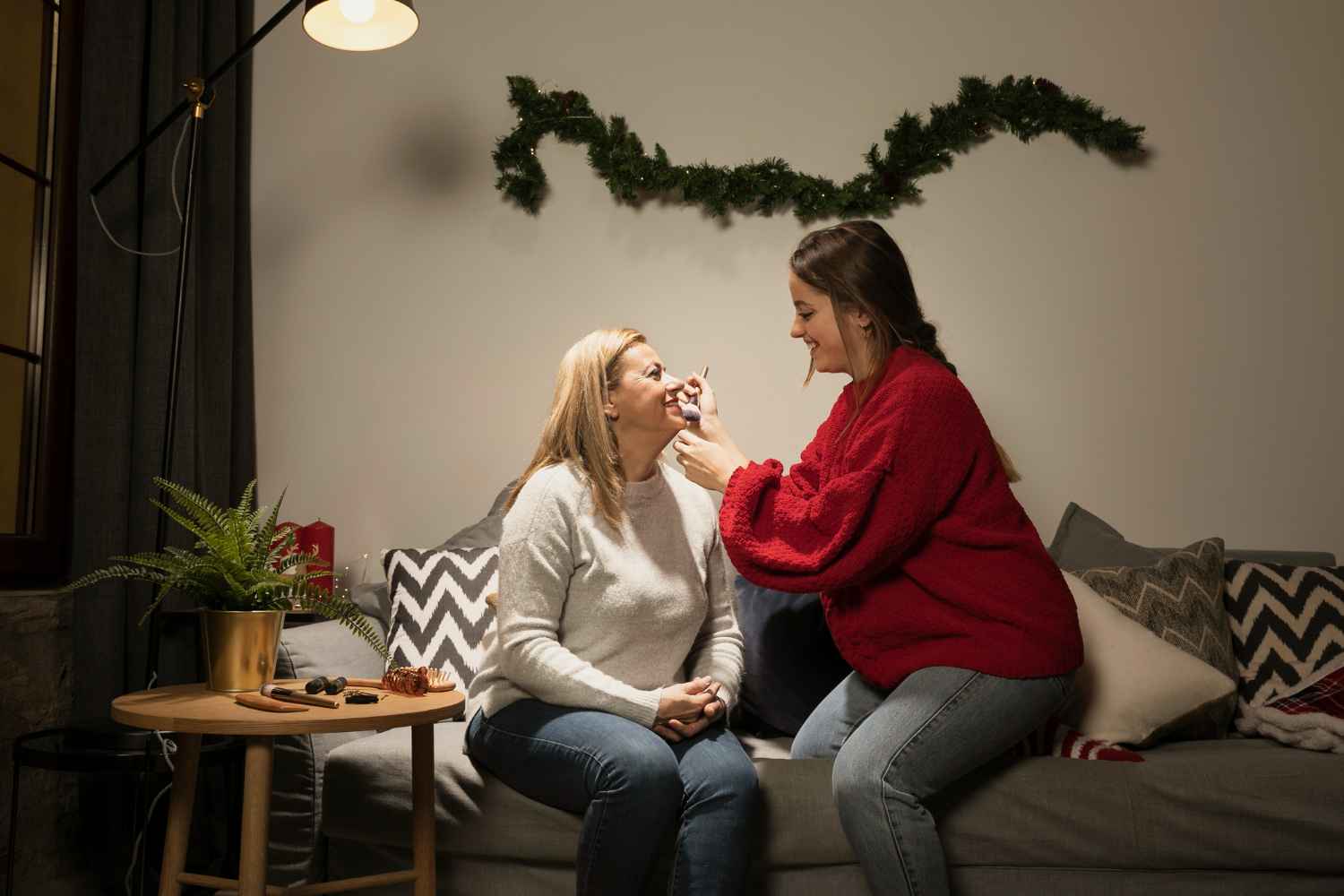
You Don't Need a Medical Degree to Understand This
When someone you love is diagnosed with dementia, you're suddenly surrounded by words that feel foreign. Clinical terms, medical jargon, acronyms that mean nothing to you. It can feel like everyone else speaks a language you were never taught.
But here's the truth: you don't need to understand the science to understand what matters. You don't need to memorize terminology to be a good caregiver. What you need is a clear, honest picture of what's happening—and what it means for the person you love.
What Dementia Actually Is
At its core, dementia is a condition that affects how the brain processes and retrieves information. Think of it like this: the brain is a vast library, filled with memories, skills, and knowledge collected over a lifetime. Dementia is like a librarian who sometimes misplaces books, or forgets where certain sections are located.
The books are still there. The knowledge hasn't disappeared. But finding and accessing it becomes harder over time. Some days the librarian works well. Other days, things get mixed up.
This is why someone with dementia might remember a song from fifty years ago but forget what they had for breakfast. The older memories are often stored more securely. The newer ones are more fragile.
It's Not About Intelligence
One of the most important things to understand is that dementia has nothing to do with intelligence, willpower, or effort. Your loved one isn't forgetting because they're not trying hard enough. They're not confused because they've stopped caring.
The brain is simply working differently now. And just like you wouldn't blame someone for limping after a knee injury, there's no reason to blame someone for the ways dementia affects their thinking.
What Changes—and What Doesn't
Dementia affects certain abilities over time. Memory, especially for recent events, is often one of the first things to change. Planning and organizing tasks might become more difficult. Finding the right words can take longer.
But so much remains intact, especially in the early stages. Personality. Sense of humor. Emotional connections. The ability to feel loved and to give love. These things don't disappear with a diagnosis.
Your loved one is still the same person. They're navigating a new challenge, but their essence—who they are at their core—remains. To learn more, read about what stays the same in the early stages of dementia.
Why "Early Stage" Matters
When doctors say "early stage," they mean that the changes are mild. Daily life can continue with small adjustments. Independence is still very much possible. This isn't a crisis—it's a gradual shift that happens over years, not days.
Early stage means there's time. Time to adapt, time to plan, time to simply be together without urgency. The diagnosis is a starting point, not an ending.
You Don't Need All the Answers
Medical professionals have their role: tests, treatments, clinical monitoring. But your role is different. You're not there to be an expert on brain chemistry. You're there to be present, to offer comfort, to maintain connection.
Understanding dementia doesn't mean memorizing facts. It means accepting that some things are changing while recognizing that so much stays the same. It means learning to be patient—with your loved one and with yourself. Simple caregiver tools for memory support can help along the way without adding complexity.
The Most Important Thing
If you take away just one thing, let it be this: dementia affects memory and thinking, but it doesn't erase the person. Your loved one is still here. They still feel joy, sadness, love, and fear. They still need connection, dignity, and kindness.
You don't need medical words to provide those things. You just need to show up, day after day, with patience and love. And that's something you already know how to do. For clinical guidance when needed, NICE Guideline NG97 – Dementia offers evidence-based recommendations.
Written by

Luca D'Aragona
Designing meaning over time
Researcher and writer specializing in digital memory systems and long-term personal documentation. With extensive experience in editorial strategy and human-centered technology, his work focuses on how structured reflection, daily records, and intentional archives can preserve meaning across time, relationships, and generations.
Practical days still carry quiet weight.
Some people choose to keep a gentle record of what happens along the way.
Discover the space