The Quiet Shift in Who You Are Becoming as a Dementia Caregiver
Caregiving for someone with dementia changes you gradually and quietly. Your routines shift, your identity narrows, and what once brought you joy feels distant. This article reflects on those identity changes—from heightened vigilance and lost hobbies to unexpected patience and deeper compassion—while reminding you that adapting doesn't mean losing yourself completely.
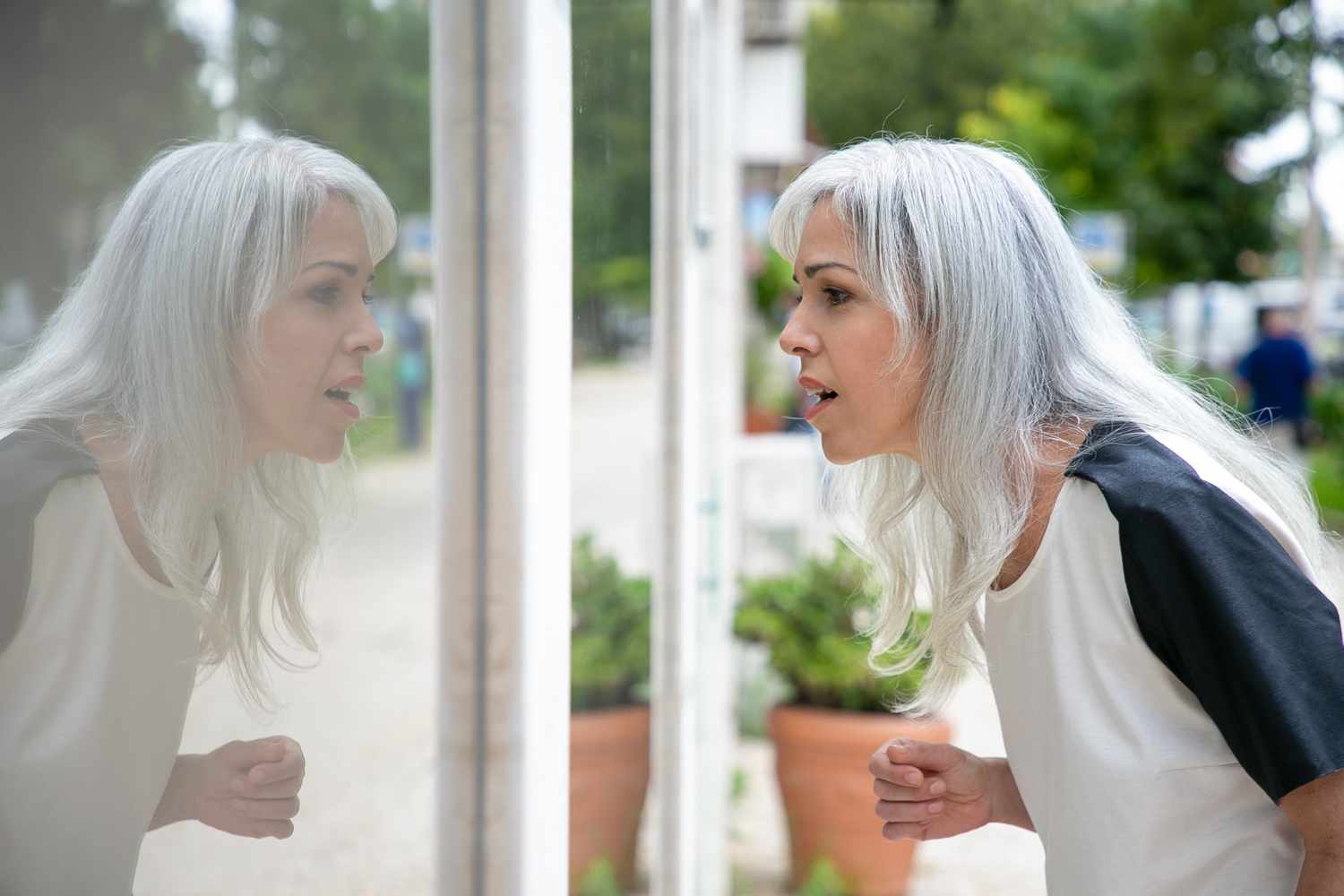
You used to be someone who had hobbies. Plans. A sense of who you were outside of your relationships. But lately, when someone asks about you—really about you—you're not sure what to say.
Because somewhere along the way, caregiving stopped being something you do and started being something you are. And you're not entirely sure when that happened.
The shift is gradual and easy to miss
It doesn't happen all at once. You don't wake up one day and realize you've become a different person. It's more like looking back and noticing that the person you were a year ago—or two years ago—feels distant. Like someone you used to know.
Your routines have changed. Your priorities have shifted. The things you talk about, think about, worry about—they're different now. And somewhere in all of that, you changed too.
Using caregiver tools for shared memories can help you hold onto the meaningful moments even as everything else shifts.
Your identity starts to narrow
When caregiving takes up more and more space, other parts of your life often get smaller. Not always by choice. Sometimes it's just what happens when time and energy are limited.
You might still have interests. But you don't have time to pursue them. You might still have relationships. But they feel harder to maintain. And over time, you start to forget what it felt like to be someone whose life wasn't organized around someone else's needs.
That narrowing can happen so slowly that you don't notice it until you're already in it.
You become more cautious, more vigilant
Caregiving teaches you to pay attention. To notice small changes. To anticipate problems before they become crises. And those are valuable skills.
But they can also shift how you move through the world. You might find yourself more anxious, more watchful, more hesitant to relax. Not just when you're caregiving, but in general.
That heightened awareness doesn't always turn off. And over time, it can become part of how you see yourself—as someone who has to stay alert, who can't afford to let their guard down.
You lose touch with what used to bring you joy
The things that used to recharge you might not be accessible anymore. And even when they are, you might not have the energy or headspace to enjoy them the way you once did.
It's not that you've stopped caring about those things. It's that they feel like they belong to a version of you that doesn't quite exist anymore. And that loss is real, even when it's quiet.
You become more patient—and more exhausted
Caregiving can teach you patience you didn't know you had. The ability to slow down, to repeat yourself, to meet someone where they are rather than where you wish they were.
But that patience comes at a cost. And the cost is often your own reserves. You might find yourself more patient with the person you're caring for, but less patient with everything else—including yourself.
If you're navigating the tension of making decisions without feeling intrusive, that patience is being tested on multiple fronts.
You feel guilty for missing who you used to be
It's hard to admit that you miss the person you were before caregiving became so central. Because it can feel ungrateful. Or selfish. Or like you're saying that you don't want to be doing this.
But missing who you were doesn't mean you resent who you're caring for. It just means you're aware of what you've given up. And it's okay to grieve that, even while you keep showing up.
The shift isn't all loss
Caregiving changes you in hard ways. But it also changes you in ways that matter. You might be more compassionate now. More aware of what people carry that you can't see. More capable of sitting with discomfort without needing to fix it.
Those aren't small things. And they're part of who you're becoming too.
You don't have to lose yourself completely
The shift is real. But it doesn't have to be total. You can still hold onto pieces of who you were, even as you adapt to who you're becoming.
That might mean protecting small pockets of time for yourself. Or reconnecting with one thing you used to love, even if you can't do it the way you used to. Or simply acknowledging that you're still in there, even when it doesn't feel like it.
You don't have to choose between being a caregiver and being yourself. But you do have to be intentional about not letting one fully eclipse the other.
It's okay to not recognize yourself sometimes
You're not the person you were before this started. And that's not a failure. It's just what happens when life asks something difficult of you and you rise to meet it.
You're allowed to mourn the version of yourself that existed before. And you're allowed to wonder who you'll be when this chapter eventually ends.
The NHS dementia resources include support not just for the person with dementia, but for carers going through their own transformation.
But for now, you're becoming someone who knows how to carry hard things. And that person is worth knowing too.
Written by

Luca D'Aragona
Designing meaning over time
Researcher and writer specializing in digital memory systems and long-term personal documentation. With extensive experience in editorial strategy and human-centered technology, his work focuses on how structured reflection, daily records, and intentional archives can preserve meaning across time, relationships, and generations.