What If I'm Not Ready for This?
When someone you love is diagnosed with dementia, you might feel completely unprepared. The truth is, no one is ever really "ready" for this. Readiness isn't a requirement for showing up. You learn as you go, and that's enough.
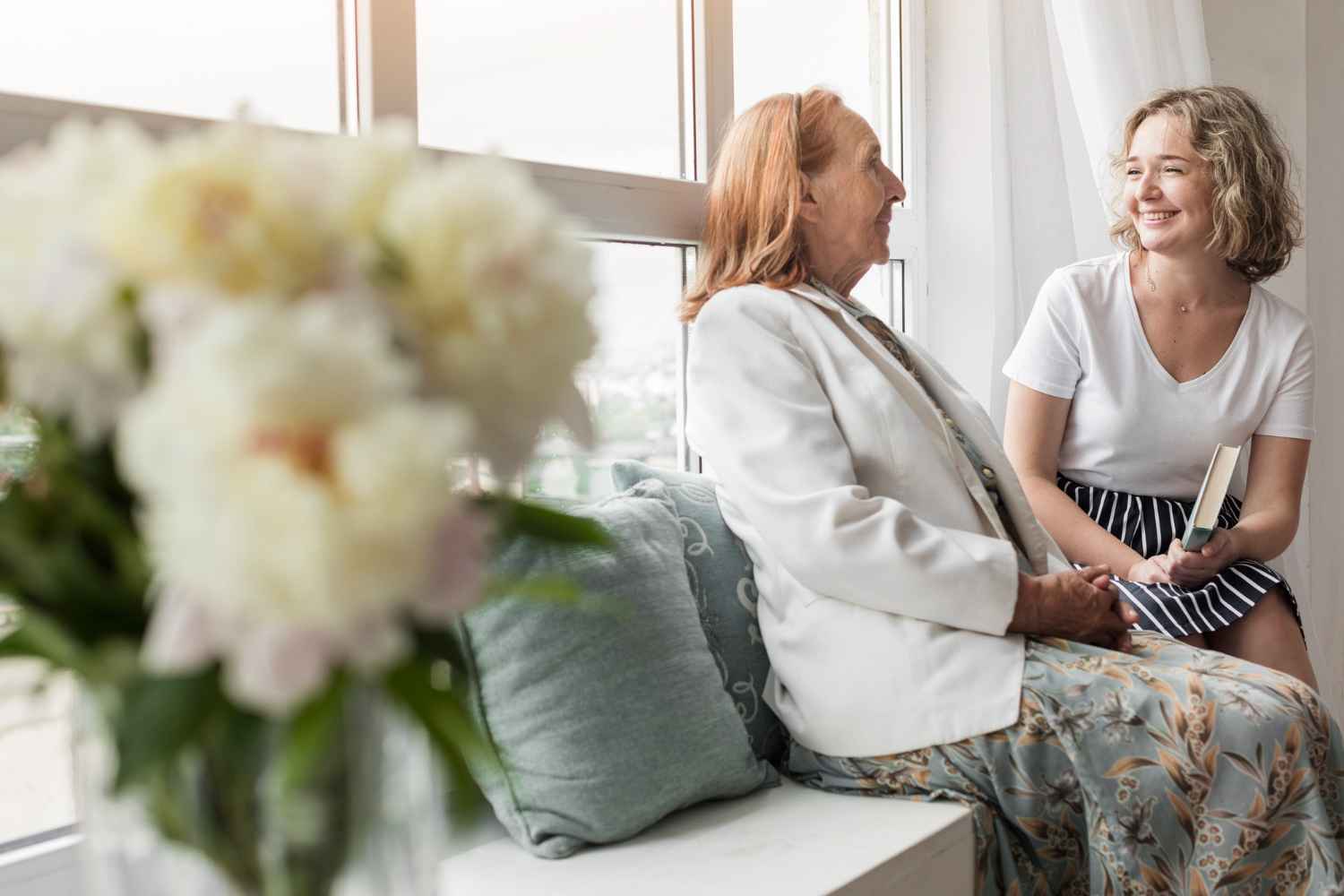
You've just learned that someone you love has dementia or Alzheimer's. And somewhere inside, a quiet voice is saying: I'm not ready for this.
That voice is honest. And that's okay.
If you're feeling unprepared to become a caregiver, you're not alone. Most family caregivers begin this journey with the same questions, the same fears, and the same sense of uncertainty. This article is here to remind you: you don't have to feel ready to begin.
No One Feels Ready to Be a Caregiver
There is no course that prepares you for this moment. No amount of reading or planning can fully equip you for the emotional weight of what's ahead. Most caregivers begin this journey feeling exactly the way you do right now—unprepared, uncertain, and afraid, sometimes deeply afraid.
If you've just received the diagnosis, you're not alone in experiencing the silent shock many families feel.
Feeling unready doesn't mean you're failing. It means you're human. It means you understand, on some level, how significant this is.
Readiness Isn't a Requirement
You might think you need to feel confident before you can help someone. That you need to have answers, a plan, a clear sense of direction. But caregiving doesn't work that way.
Many of the most loving, present caregivers will tell you they never felt ready. They simply showed up, one day at a time, and learned to navigate what came next. Readiness often comes after you begin, not before.
Feeling Scared About Caregiving Is Normal
If you're scared, that's not something to be ashamed of. Fear shows that you understand what's at stake. It shows that you care deeply about what happens next.
Being afraid doesn't disqualify you from being a good caregiver. In fact, acknowledging your fear is a kind of honesty—with yourself and with the situation. Many caregivers find that naming the fear is easier to carry than pretending everything is fine.
You Don't Have to Become Someone Else
Sometimes, the idea of being a caregiver feels like stepping into a role that doesn't fit. You might think: I'm not patient enough. I get overwhelmed easily. I don't know enough about this disease.
But you don't need to transform into a different person. You can care for someone as yourself—with your own strengths, your own limitations, your own way of showing love. There is no single right way to do this.
Start Small: Take Caregiving One Day at a Time
When the road ahead feels overwhelming, it helps to shrink your focus. You don't have to plan for next year, next month, or even next week. You only have to get through today.
What does your loved one need right now? What do you need right now? Sometimes, the answer is simply to be present. To have a cup of tea together. To say, "I'm here." Over time, daily care routines for caregivers can help bring structure to your day.
That's enough. That's more than enough.
Getting Help as a New Caregiver
Not being ready doesn't mean you have to carry this alone. Reach out to family, to friends, to support groups for dementia caregivers. Let people know where you are emotionally. You don't need to explain everything. Just naming how you feel can lighten the load.
And if there are things you cannot do, that's not a failure. It's simply part of being human.
Your Presence Matters More Than Your Preparedness
The person you love doesn't need you to have everything figured out. They need you to be there. They need your voice, your familiarity, your care—not a perfect plan.
In the early stages especially, what matters most is connection. The small moments. The quiet reassurance that you're both still here, still connected.
You Can Learn Caregiving Over Time
Caregiving isn't something you master on day one. It's a process, and you're allowed to learn as you go. You're allowed to stumble. You're allowed to feel unsure for a long time. If you want to learn more about the disease, the World Health Organization offers reliable, up-to-date information.
Most experienced caregivers started exactly where you are now—not ready, not certain, and still showing up anyway.
You may not feel ready today. But you're here. And that already says more than you know.
Written by
Elise Vaumier
Where memory meets meaning
Writer and digital memory specialist focused on intentional documentation and personal legacy. With a background in communication and digital media, her work explores reflective writing, long-term memory preservation, and human-centered technology. She examines how small, consistent records can evolve into meaningful narratives that support relationships, caregiving, and intergenerational continuity.
There is a quieter way to hold these days.
This Day With You was created for moments that matter, even when they seem small.
Learn more